

Wind power has become one of the main drivers of Spain’s energy transition. But its role goes beyond electricity generation: it is also helping to revitalize rural Spain by creating jobs, improving infrastructure, and offering new opportunities in areas affected by depopulation.
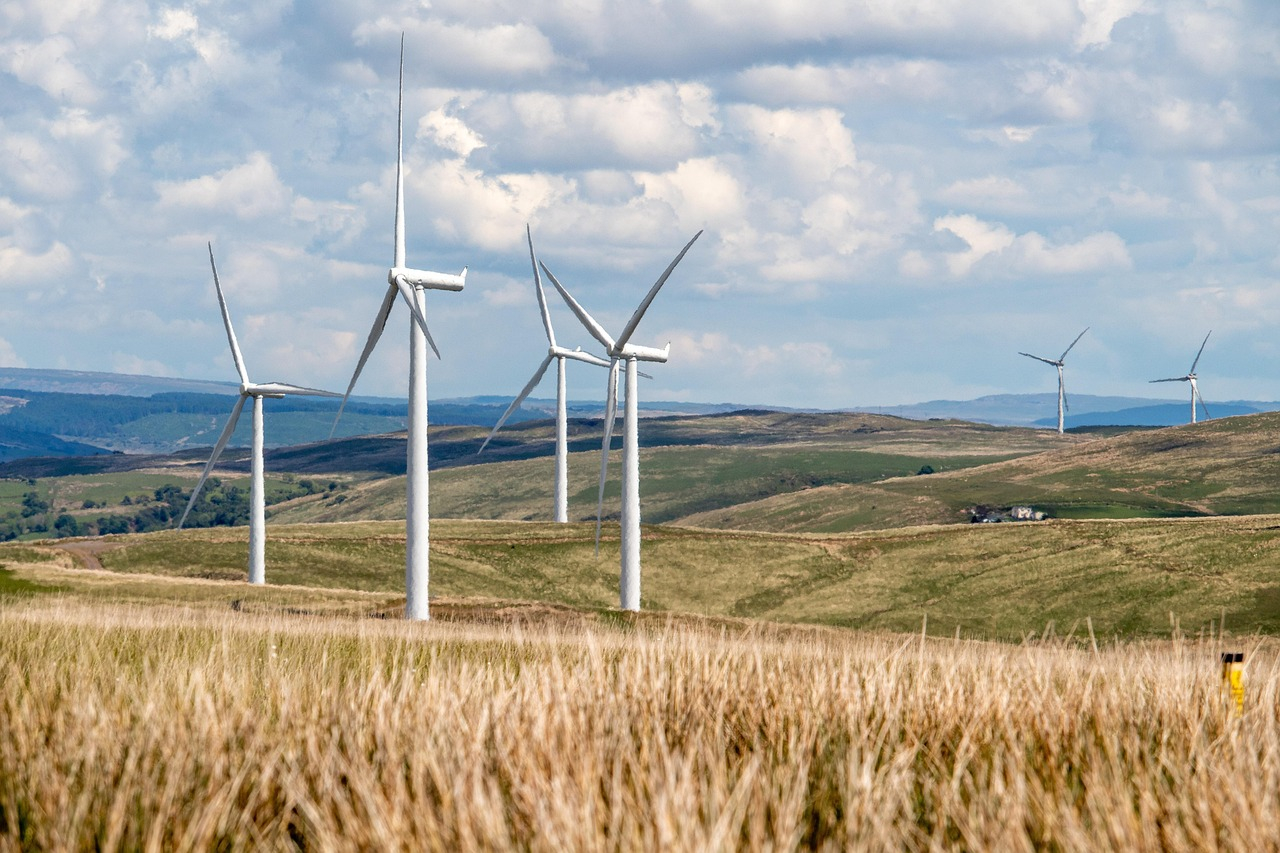
Currently, Spain has:
- More than 1,400 wind farms in operation.
- 22,500 wind turbines spread across 868 rural municipalities.
- An installed capacity of over 31,000 MW, positioning Spain as one of Europe’s leaders in wind energy.
Positive impact on municipalities
The presence of wind farms represents an economic and social boost for many towns:
- Municipalities receive stable income through taxes and fees.
- Improvements are financed in basic infrastructure such as roads, water supply, or social and cultural facilities.
- The local economy is revitalized, generating jobs and opportunities for sectors like livestock, tourism, and services.
An ally against depopulation
According to the Spanish Wind Energy Association (AEE), municipalities with wind activity show higher levels of wealth and purchasing power than those without facilities. This translates into better services and, above all, greater ability to retain population in areas traditionally marked by rural exodus.
Spain, a wind energy benchmark
Castile and León, Aragon, and Castile-La Mancha concentrate more than half of the country’s installed capacity. But almost all autonomous communities —except Madrid— already host wind farms.
The result is clear: wind power not only leads electricity generation in Spain, but has also become a lever for rural development and an example of how the energy transition can go hand in hand with social and economic progress.
Wind energy is transforming not only how we produce electricity, but also how we live in our villages.
