

For the first time, solar and wind power have consolidated their position as the main sources in Spain’s electricity system, according to data from Red Eléctrica de España (REE), marking a milestone in the country’s energy transition.
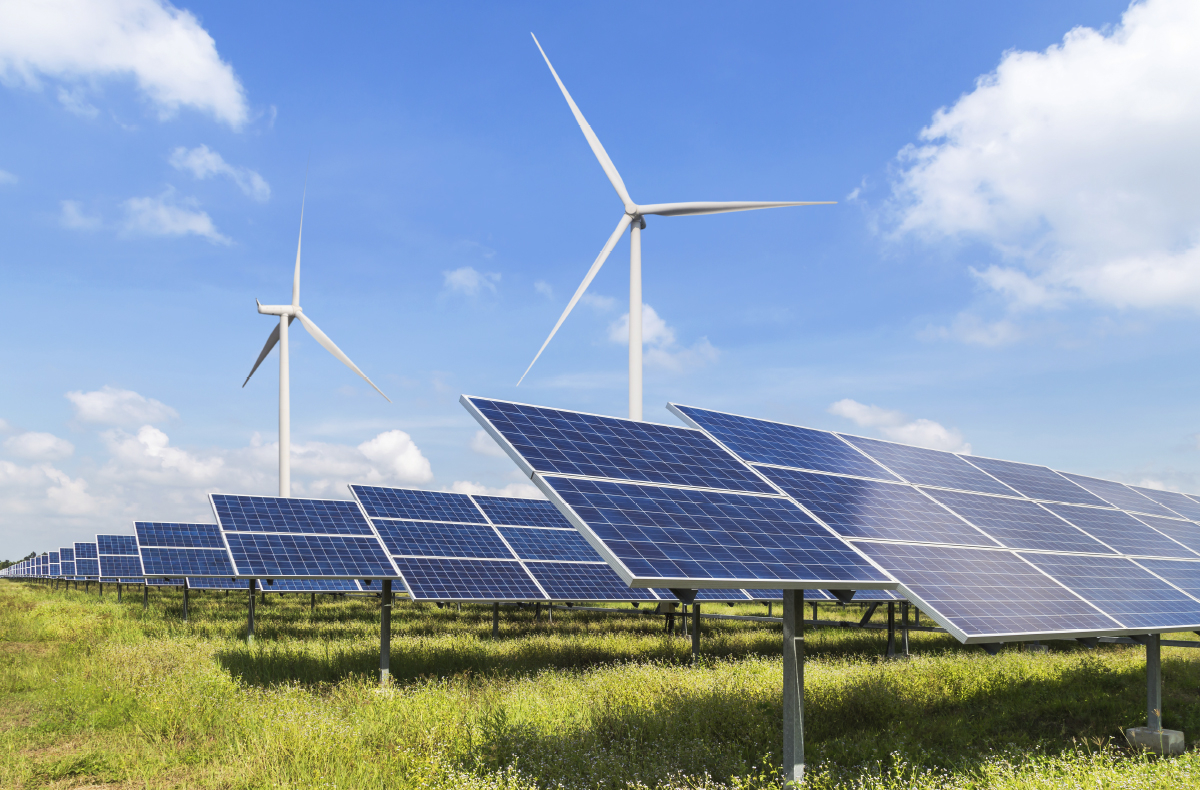
Solar: steady growth and leadership in installed capacity
In 2024, photovoltaic power reached an installed capacity of 32,043 MW, slightly surpassing wind power (32,007 MW) and becoming the largest source in Spain’s electricity generation fleet.
Renewables now account for more than 66 % of total installed capacity.
According to Solar B2B, solar generation totalled 44,520 GWh, equivalent to 17 % of total production (+23 % compared to 2023).
Wind power remains essential to the energy mix, contributing almost 31 % of generation in January 2025, according to REE.
Renewables ahead of nuclear and fossil fuels for most of the year
For more than 75 % of the days in 2024, renewable sources outperformed the combined generation from nuclear and fossil fuels.
Overall, clean energy accounted for 56 % of Spain’s electricity output, boosted by an 11 % year-on-year increase. For the first time, solar generation overtook gas in output volume.
Challenges towards 2030: more capacity, faster deployment
Despite these strong results, experts such as those from the Spanish Wind Energy Association (AEE) warn of a risk of stagnation if the pace of new installations is not accelerated.
In 2024, only about 800 MW of new renewable capacity came online, compared to 1,600 MW in 2023.
The PNIEC 2023–2030, approved by the Government, sets ambitious targets for the end of the decade:
- 76 GW of solar power, including 19 GW for self-consumption
- 62 GW of wind power, with 3 GW offshore
- 22.5 GW of storage systems
- 43 % improvement in energy efficiency
- 35 % electrification of final energy consumption
The roadmap is in place — now the challenge is to deliver it with speed and regulatory stability.
